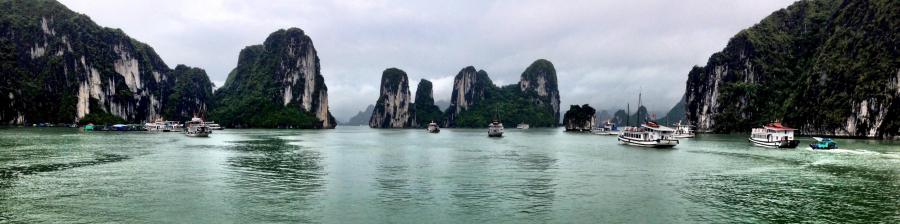
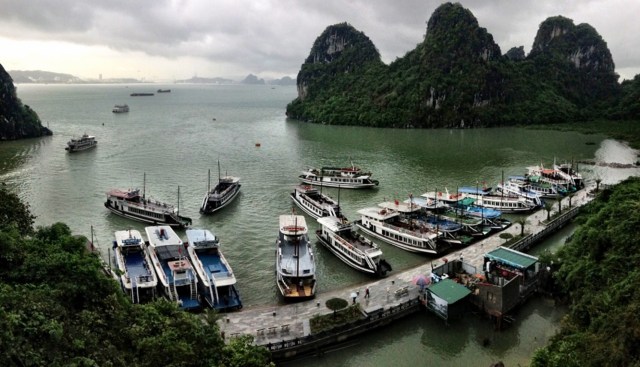
6 years ago, I went to Hanoi. I had a good look at the city, but it was cold and raining, and I did not get to visit the anything around. I managed to fix it this time: Halong Bay and Dien Bien Phu.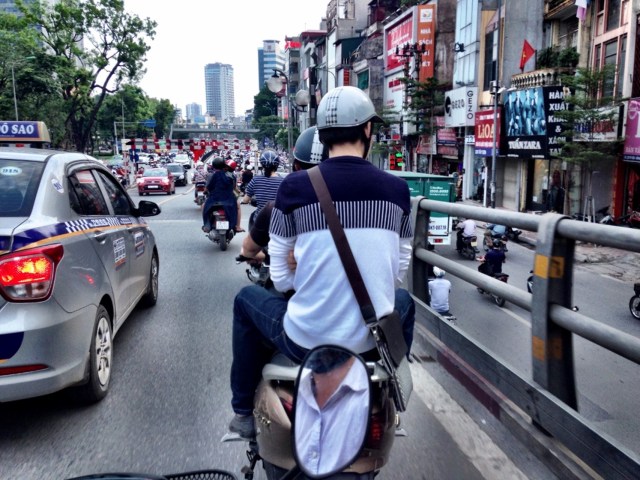 The weather was not too good on the way to Halong Bay, but it cleared up in the afternoon. It had to be seen. But it is very touristic, 1 day is enough. If you follow my blog, you would know I prefer the wild, the unexpected.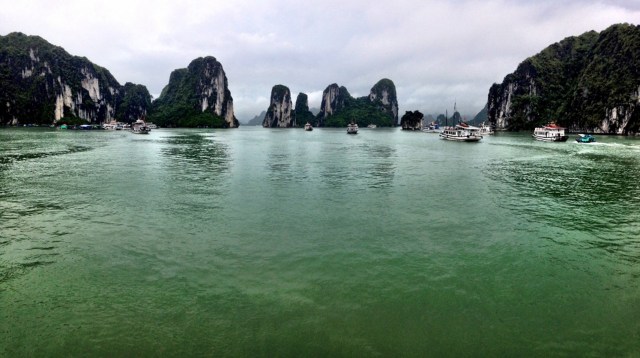

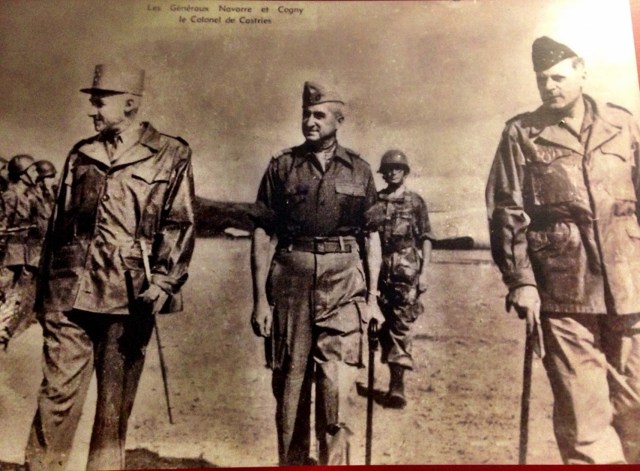
 But the main reason I went back to the North of Vietnam was to go to Dien Bien Phu. For most of people, this name does not ring a bell. Here is the short story (long story at the end of the article): Vietnam, Laos and Cambodia were all French colonies for about 130 years under the name of Indochina. Japanese took over in 1940 until the end of the 2nd World War, and the Communists from North Vietnam, supported and armed by China, declared independence in 1946. France did not agree and so started the Indochina war. French eventually lost the war at the last battle in Dien Bien Phu, in 1954. I like this part of History and I have read numerous books about it. Finally, I managed to go there, at the different camps and battle points.
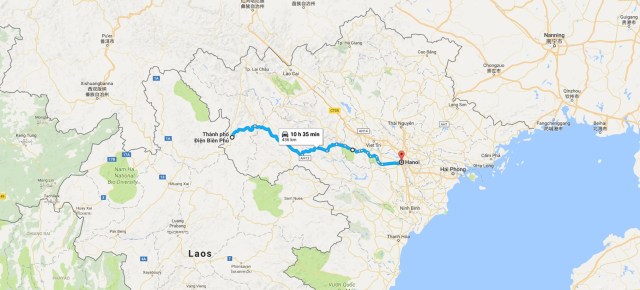
It is a 10 hours over night bus trip from Hanoit to Dien bien Phu, near the border with Laos. Very uncomfortable, I took a plane on the way back!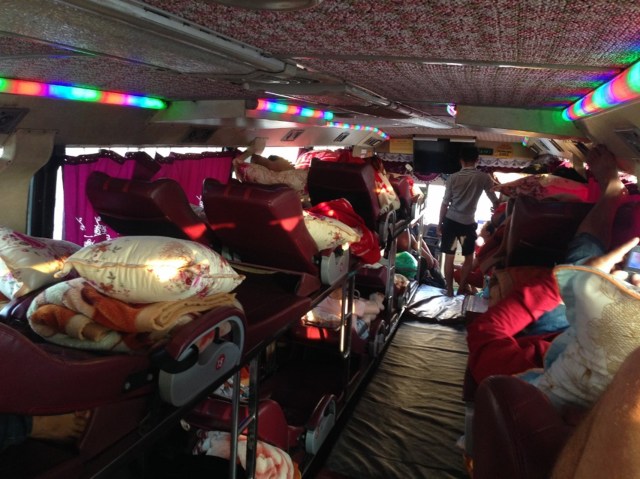
 Vietnamese victory monument:
 The Vietnamese cemetery:
 The War Museum:
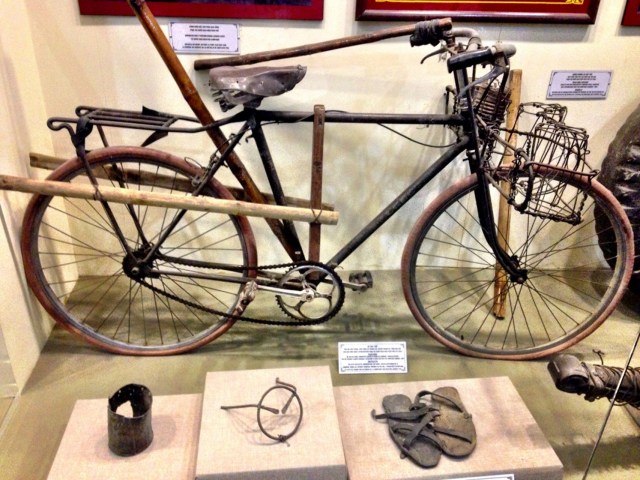
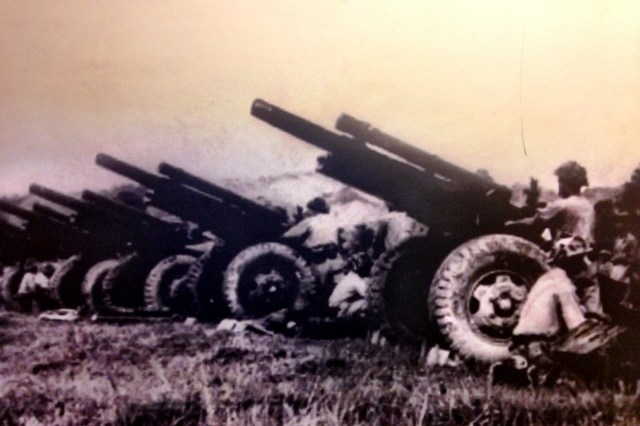
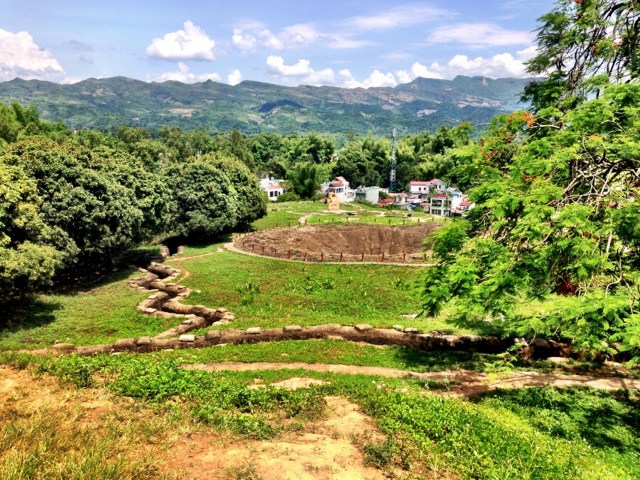
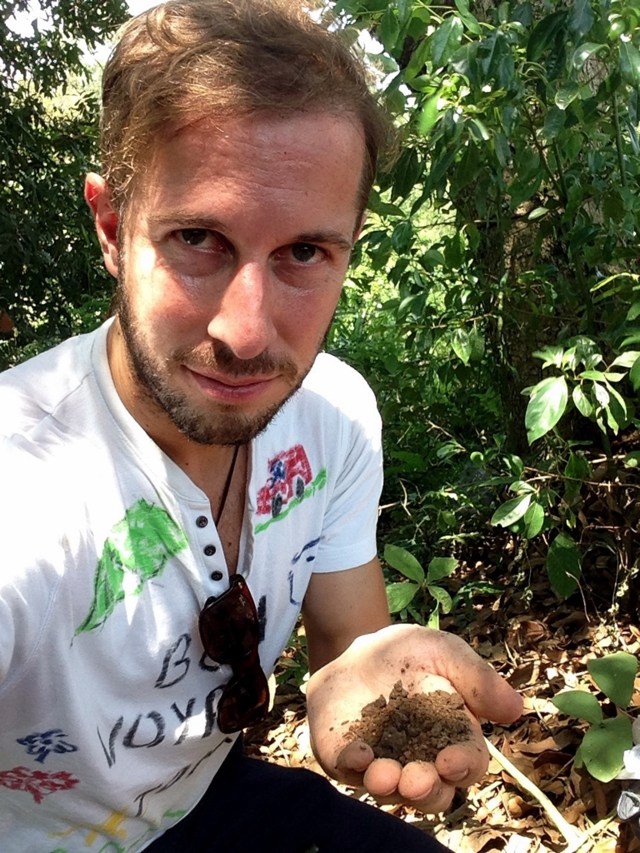
 I took some soil from the ground:
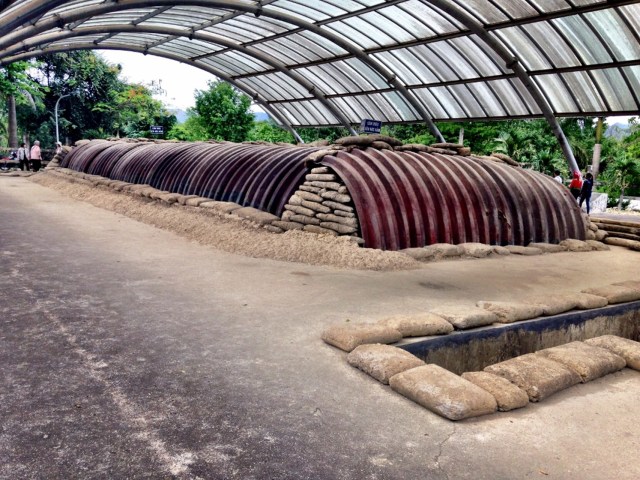
 French headquarter:
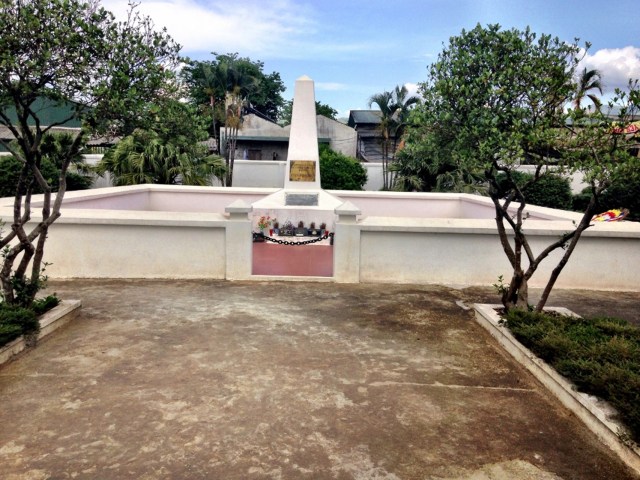
 French monument:
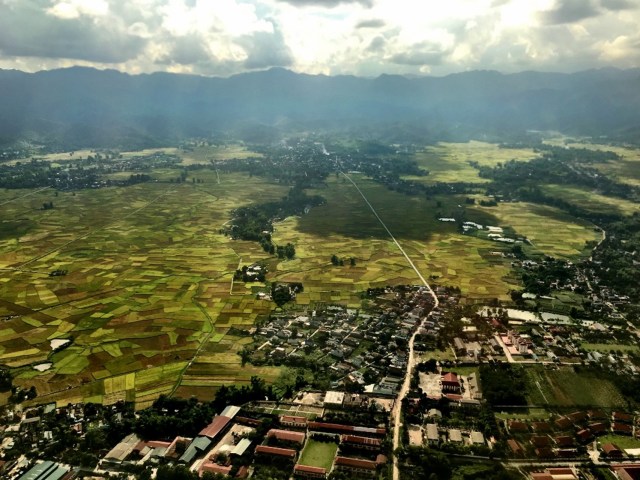
 Today, Dien Bien Phu’s population is estimated at 100,000.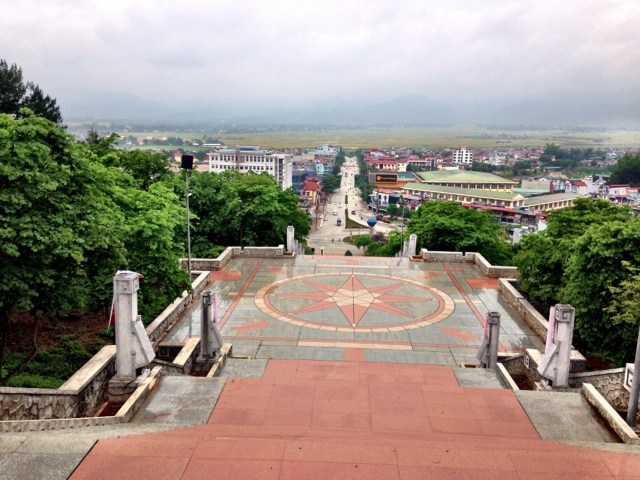
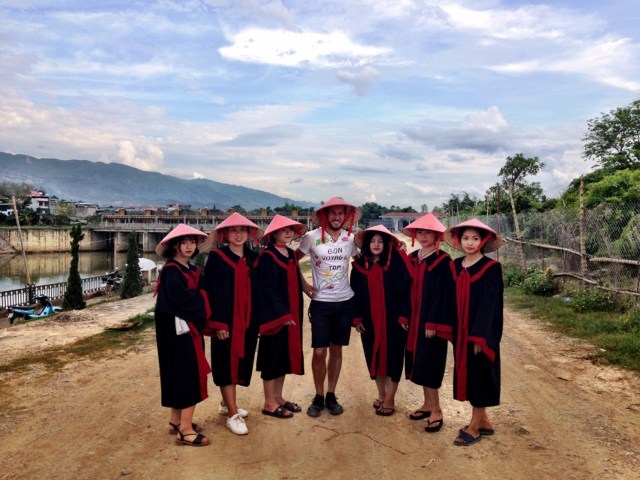
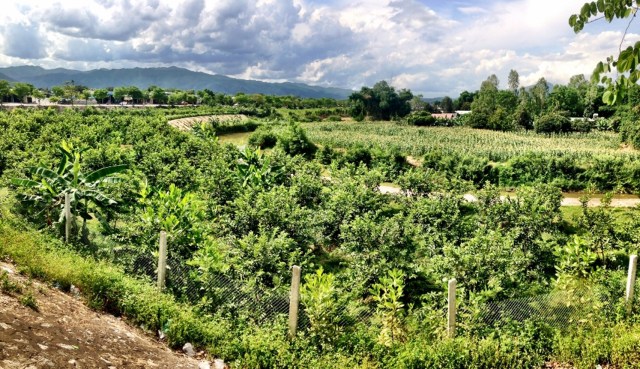 This is not a very touristic place and I did not see anyone with whom I could speak. However, beers are an international language.
 Next stop: Chiang Mai, North of Thailand.
 Here is a more complete history of the Indochina war and the Dien Bien Phu battle. The battle happened from 30 March to 7 May 1954:
First, about the political situation in Indochina in 1953: Indochina was a French colony including Laos, Cambodia and Vietnam since approximately 1830. A lot of French lived there and built many buildings, roads, etc… but a lot of them also left during 2nd World war, and Japanese took Indochina for a few months until they lost the war in 1945. Ho Chi Minh was the leader of the communist party in Hanoi and immediately declared independence. But French government told him off. And war started shortly after. At the beginning, the Viet Minh (it’s the name of the Vietnamese communist army commanded by Ho Chi Minh) had nothing. Just guns, knives. French had boats, planes, tanks, canons… It was just a guerrilla, kind of terrorism. French army wasn’t composed of French soldiers only. There were the official Vietnamese army from the capital Saigon (Saigon is today called Ho Chi Minh, but locals still call it Saigon), and also soldiers from French colonies (Central and North Africa), even Germans who were looking for a job after the 2nd World War (the German army had been dissolved). Ho Chi Minh was the communist political leader, but the Viet Minh was commanded by General Giat, who was formed by Russians and Chinese. He had Chinese officers in its army. When Giat started having a significant army, they attacked French positions 2 times front to front in Central Vietnam, in 1951 and in 1952. Both times, it was a disaster and the Viet Minh was demolished by the French. Giat gave up the idea and went back to guerrilla, especially in North Vietnam. For French army, it was obvious that the Viet Minh had no ability to take French positions. They did not have many canons and they were smaller.
Things started to change in 1953, when Mao took power in China. Officially, China never entered the Indochina conflict, but the Viet Minh started receiving newer and bigger weapons, equipment, munitions and uniforms. To cut the supplies in the North, French army decided to establish a camp in Dien Bien Phu in November 1953.
Strategically, it was a great idea, World widely recognised (even by Americans who visited the camp): there would be a landing field so the camp would never be in shortage of food, soldiers, munitions and weapons coming from Hanoi, 300km away. It was the only flat area of the region, surrounded by hills/mountains. If the Viet Minh wanted to attack, small canons would not be able to touch planes or the airfields (too far). And the mountains were too steep to bring heavy canons, humanly not possible. Also the camp was 300km from Hanoi, too far to bring food and munitions by land to an army. With their planes, French army could bomb any convoy of food and munitions on the roads. French army brought all equipment and soldiers by air and built this camp in a few weeks. Around the airstrip, there were different camps named like French women: Huguette, Isabelle, Eliane, Dominique, Claudine, Beatrice, Gabrielle, Anne-Marie. Legend says they are the names of the French general mistresses.
After the 2nd World War, Communism became strong: Russia, China, etc… unlike today where only Cuba is a communist country (and maybe North Korea?). France was not but the communist party was strong. Some left wing medias would not support the presence of France in Asia. There has been cases of munitions produced in France that were voluntarily damaged by French workers in France. Grenades filled with flowers instead of powder, for example. Which is quite terrible by the way, I read stories about guys seeing his mate killed because he couldn’t use its munitions in front of the enemy.
I’m explaining here all the reasons, material and psychological, why the French lost this battle.
Most of French civilians had left the country. By 1953, French government knew they would not keep Indochina. The French army wanted the Viet Minh to attack to demolish them like they did in the last 2 open battles. This battle was to be won to negotiate strongly the independence of Vietnam. The power would be in Saigon, South, with a government friend with France, for economic purposes. The power would certainly not go to a Communist leader! After the battle of Dien Bien Phu was lost, France left Vietnam. Communist leader Ho Chi Minh ruled the country in the North. France friendly government in the South. When North attacked South, 2 years later (1956), Americans stepped in and the Vietnam war started. There was no independence war for Laos and Cambodia.
I think I have covered the pre-battle aspects: French army not composed of French only (some regiments less concerned), communism rising in France, Mao in power in China… let’s talk about the battle!
So: French knew it was coming very soon. When it started, the 13 March 1954, there were about 4,000 French soldiers (not all French) and 60 to 80,000 Viet Minh (we don’t really know). Largest battle since the 2nd World War. Viet Minh started bombing 2 camps with numerous heavy canons hidden on the hills. After 2 hours of bombing, thousands of Viet Minh attacked on foot and took 2 camps (Beatrice and another one) over night. However, General Giat had to withdraw its troops as there were too many dead and wounded. But French army was shocked by what had just happened. Viet Minh canons were able to touch French positions, including the airstrip. And there were plenty of them. The regiments of the 2 fallen camps were in majority from Africa, their officers were dismissed and they were replaced by French soldiers parachuted from Hanoi. Understanding the gravity of the situation, French commandment in Hanoi sent many more soldiers. About 14,000 soldiers of the French Army fought in Dien Bien Phu. 4,000 were from Vietnam. Because he lost a lot of men on the first attack, Giat changed his strategy and started bombing accurately French positions, for 2 weeks: canons, radio/communication, and airstrip. French tried to protect the camp bombing the mountains with planes, without really knowing where the canons were. By the end of March, the airstrip was out of order and no plane could land or take off. That means that wounded could not be evacuated anymore. Dien Bien Phu was surrounded and from then on, no one could escape. The 30 March, Giat ordered a new attack on 2 other camps. Battle lasted 6 days and nights. This time, French positions held, and the Viet Minh had to withdraw after losing many men. The Viet Minh officers responsible for the disaster were then executed by Giat. So Giat went back to bombing during the whole month of April. Especially at night so the canons would not be detected by the French planes. The starting raining season made things worse for the French.
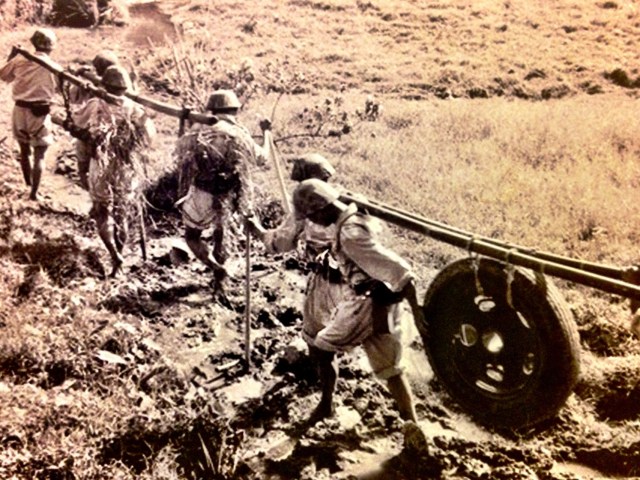
The true reason why French lost this battle is because they greatly underestimated the Viet Minh. The Viet Minh had managed to obtain huge canons from China and bring them to Dien Bien Phu. Those along with munitions, food… everything on bicycles pushed by 260,000 porters (mostly farmers slaved by the Viet Minh) via a track traced for months in the jungle. Above the track, the trees were tightened together so the French planes would not see them. Also, thinking the Viet Minh canons would never be able to reach the French positions, the different camps were not protected with concrete. That was a huge mistake. French soldiers were hiding underground or in trenches full of water during the wet season.
After a month of bombing and light attacks here and there to weaken, kill and injure as many French as possible, the final battle started the 1st of May. All Viet Minh power coming from everywhere with canons, rockets, bullets and knives attacking camps one after another. French planes were still bombing what they could see. Still parachuting munitions and foods, but it was harder and harder because French camp was smaller and smaller. The last camp to resist was Eliane, where I got some soil. Finally, the 7th of May 1954, after 1 week of bloody violent close fight, order was given by the French commandment in Hanoi to demolish all weapons and munitions and to surrender.
8,000 Viet Minh soldiers and 2,300 soldiers from the French army died during the battle. 11,700 were prisoners and went to work camp. Only 3,300 came back who were nothing but skin and bones when peace was signed a few months later. No one ever heard of the 3,000 Vietnamese of the French army who survived the battle. All killed.
After Dien bien Phu battle, peace was signed. Ho Chi Ming ruled the North of Vietnam. 1 million civilians ran away from communist dictatorship to go to South Vietnam. 2 years later, in 1956, Ho Chi Minh attacked South Vietnam and Americans stepped in. This is the beginning of the Vietnam war. This part of the World was the battle ground of the Cold War, between Communism and Capitalism. The Vietnam war was much bigger and bloodier than the Indochina war. Despite huge resources (more American soldiers than any other war), Americans, like French before them, had to withdraw. I read somewhere that more bombs were dropped in Vietnam and Cambodia than during the whole 2nd World War! Anyway, Americans are hated in Vietnam, but French aren’t. Maybe it’s because French built a lot in Vietnam before the war, and Americans demolished a lot?
 takemethere
Thank you for posting! 🙂 http://www.cchomeschoolers.com
LikeLike