Bolivia’s history is similar to Peru’s. It was also part of the Inca Empire when the Spanish conquered South America, in the 16th century. The country declared its independence in 1825, officially recognised in 1847. The rebellion was lead by Antonio Jose de Sucre and Simon Bolivar. The capital Sucre was named after the first, and the country after the second. Bolivar became the first president, and Sucre the second. Bolivia has an infamous World record of more than 100 coups d’Etat in 60 years. Only since 2006 and Evo Morales, the country gained a bit of stability.
The country is twice larger than France, 5 times larger than the UK, but with only 11 millions people. Geographically, it is constituted of high mountains in the West (the Andes, with 12 summits at more than 6,000m) and deep forests in the East (the Amazon). Access to the sea was lost to Chile in the War of Pacific, at the end of the 19th century. But Bolivia is negotiating to recover the lost region.
I used the first week to do nothing else but visit La Paz. After El Alto and Santa Cruz de la Sierra, La Paz is only the 3rd largest city in Bolivia, with a population of 800,000. But it is the largest agglomeration: 2.3millions (Alto is part of La Paz agglomeration). It is the capital administrative and seat of the Government, but Sucre remains the judicial capital. Only because it takes years to change the constitution and none of the presidents have ruled long enough to do it.
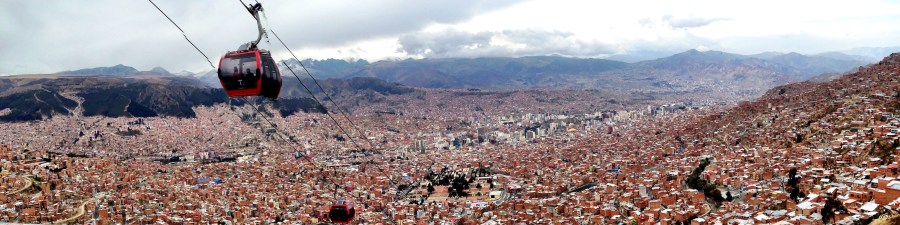
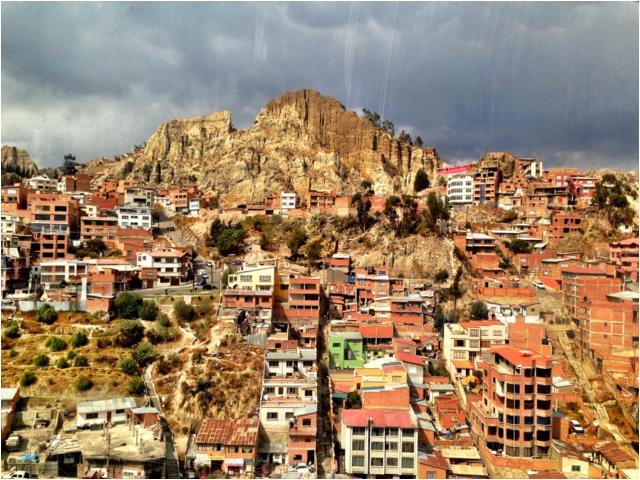
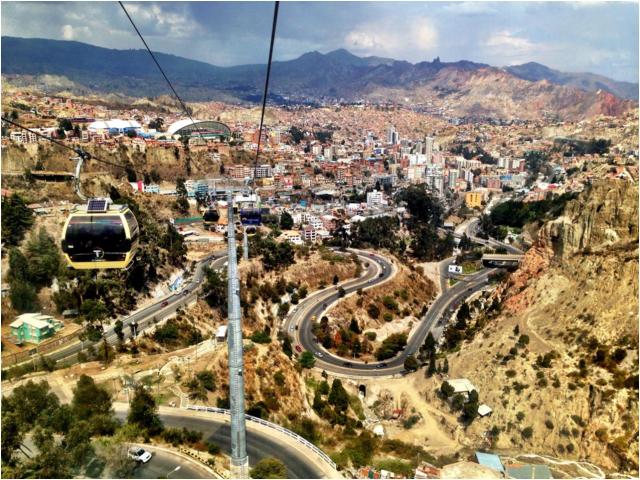
Located at 3,600m high, built on mountainsides and valleys, the city is spectacular. The council recently installed 3 teleferics, and 4 or 5 additional are under construction. Very handy to go from the bottom of a valley to a crest. And the views are amazing!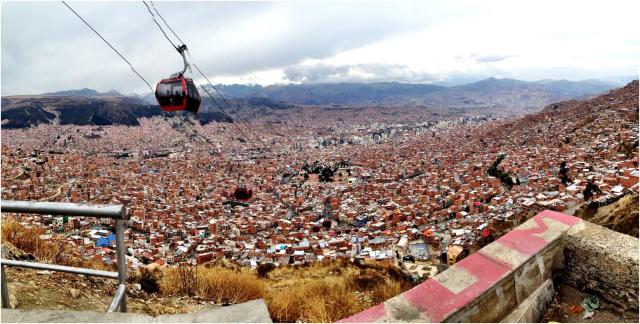


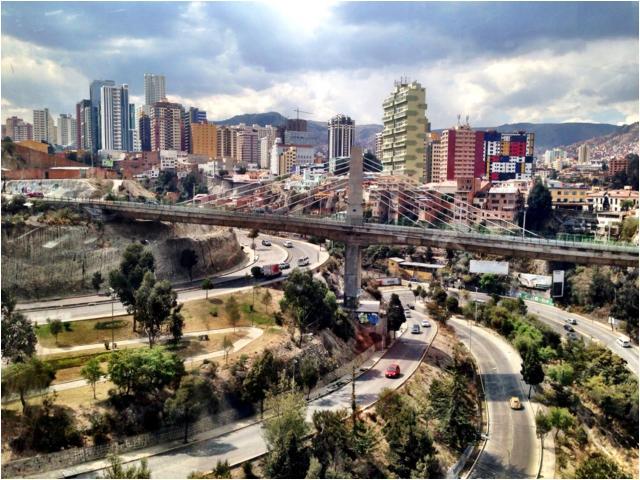
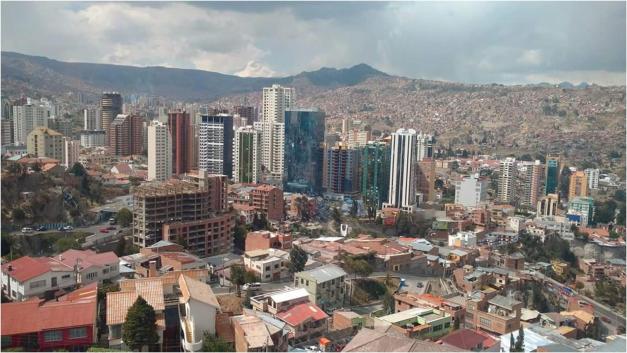
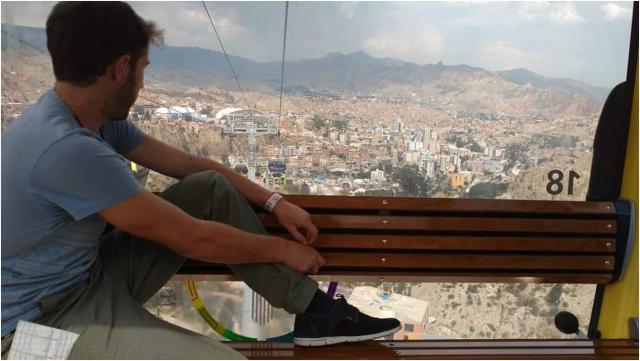
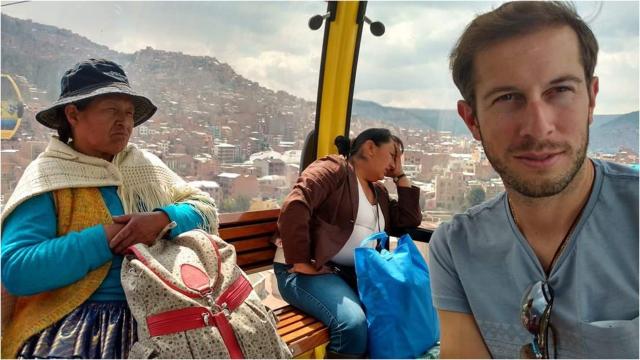 I also went on a walking tour, explaining the history of the different presidents, buildings, etc…: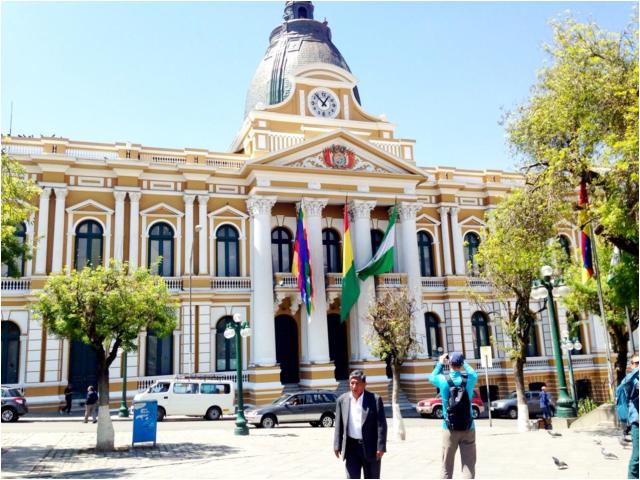
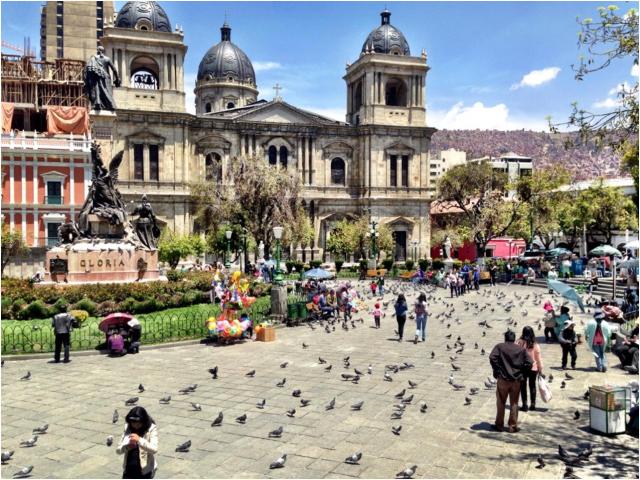
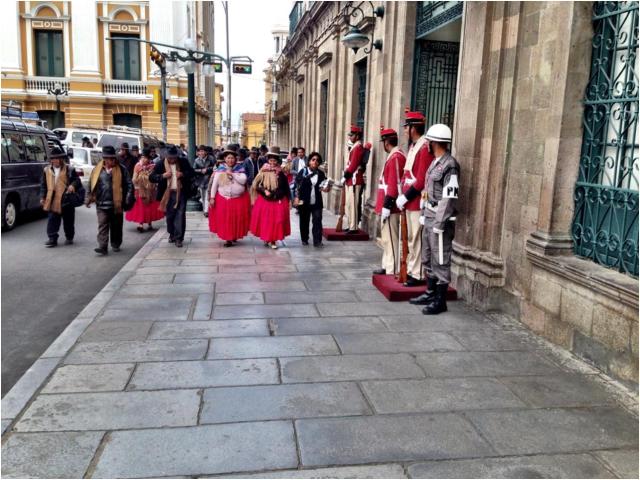
 The prison is one of the very few in the World in which the prisoners live in autocracy. There are only 5 guards, outside the prison. Inside, the leaders are democratically elected, a system of jobs and money has been organised. It is also known that the richest prisoners can pay the guards to obtain a night out. And no one tries to escape or they will be punished by the other inmates if they get caught and thrown back in jail. Quite amazing…
 And I walked a lot, everywhere.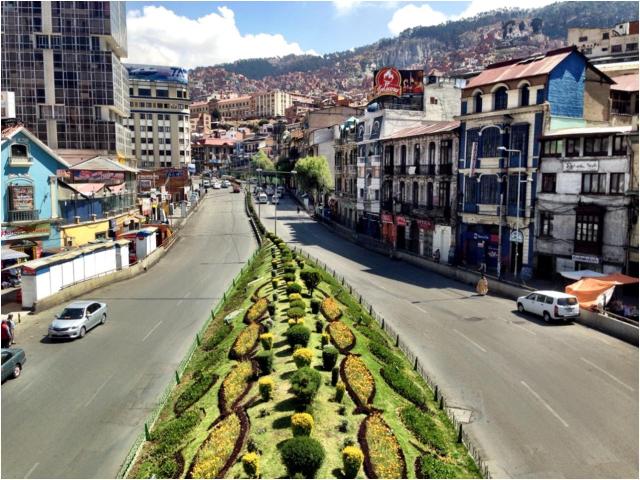

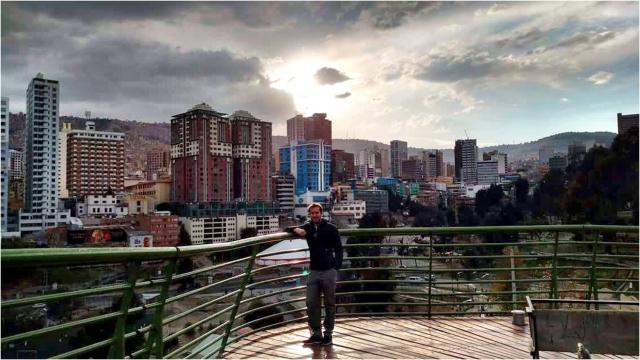 I also ran, uphill, to see how hard it is to do sport in altitude: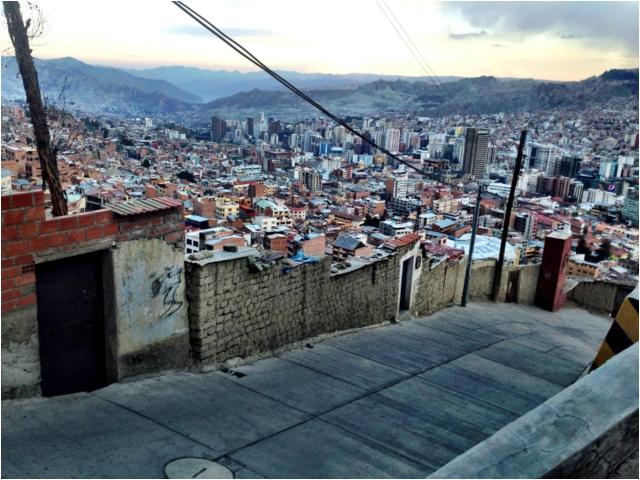
 The geography of the city makes the traffic ridiculously dense. It is faster to walk. But the pollution is quite unpleasant…
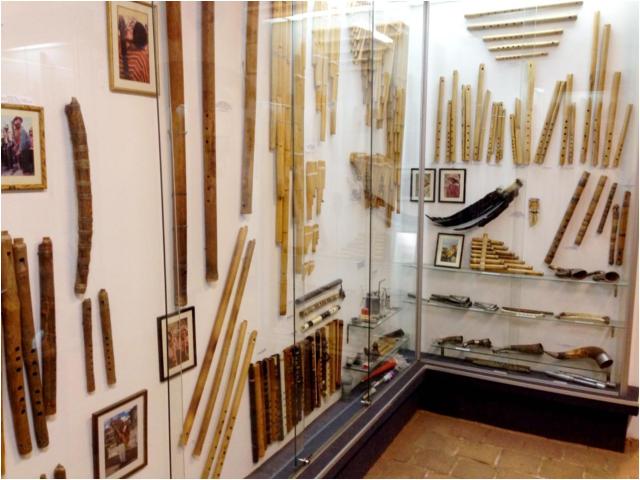
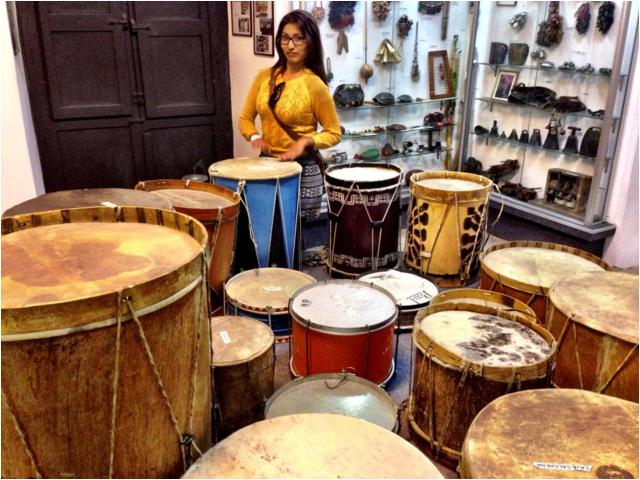
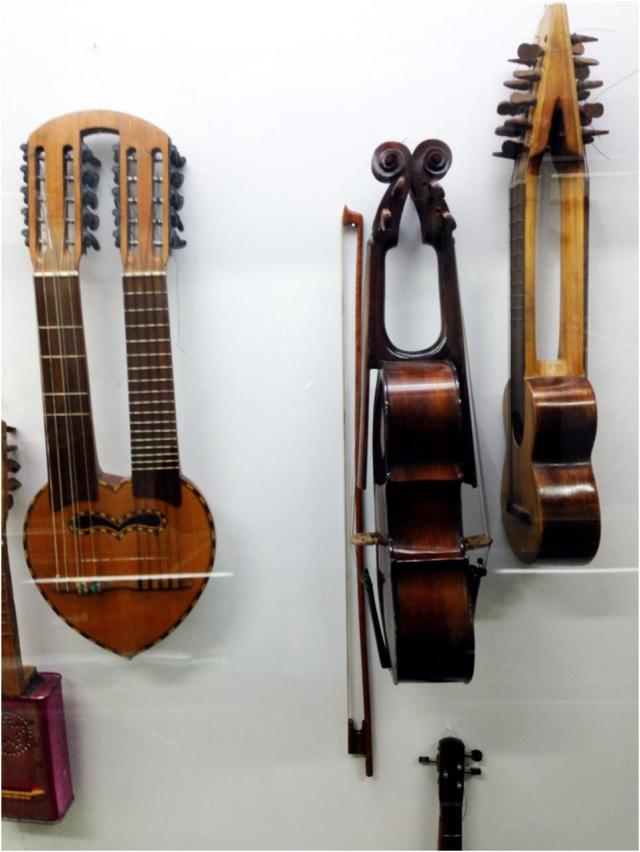
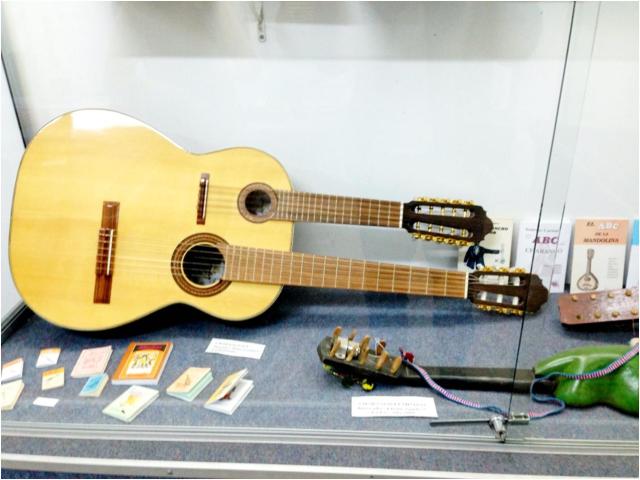
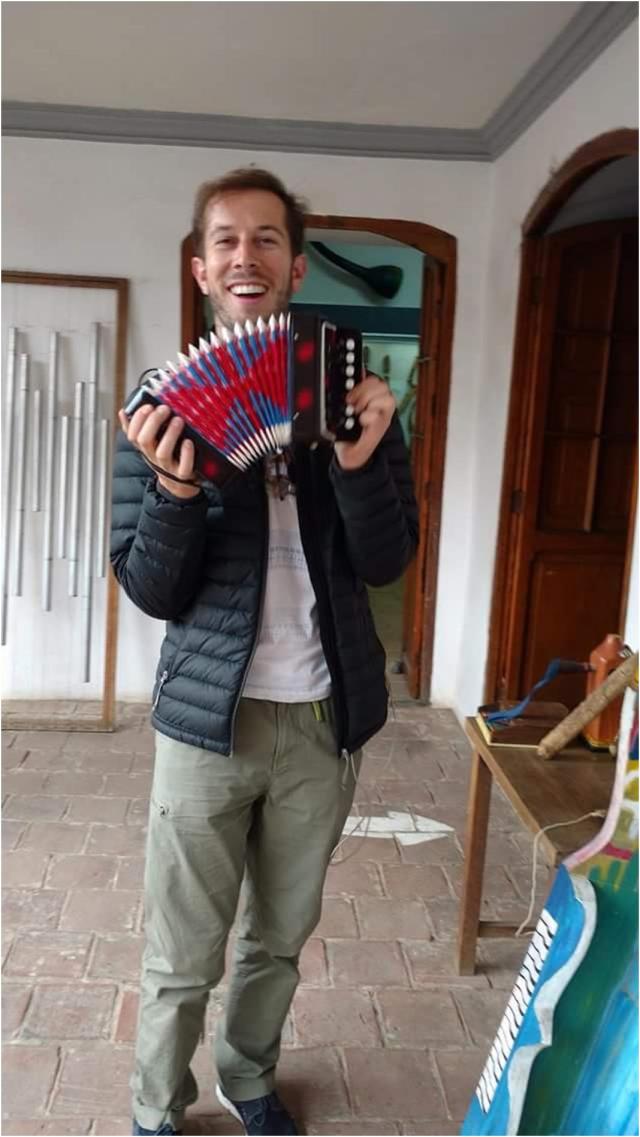
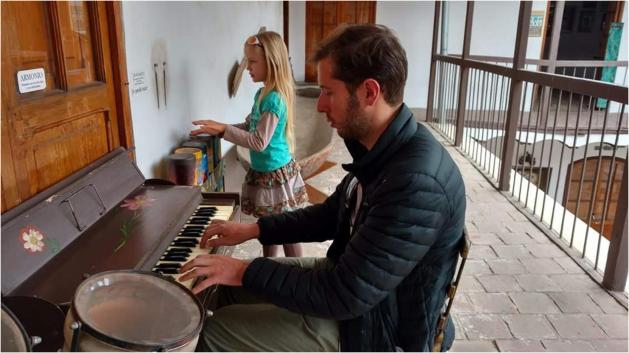
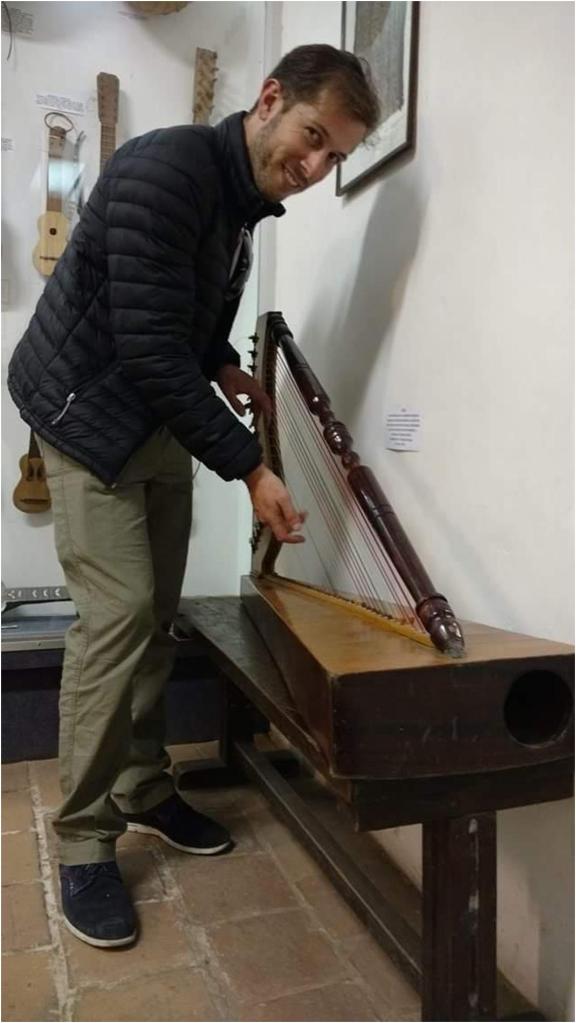
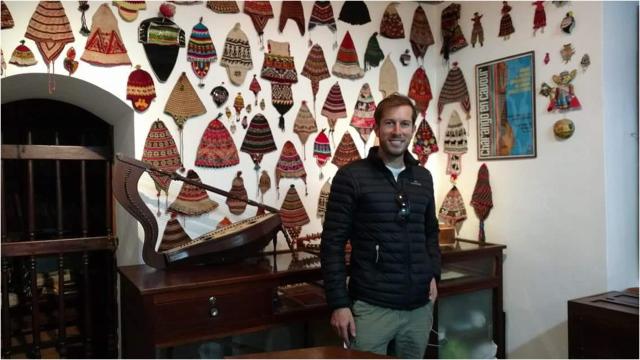
 I also visited a few museums, including the museum of musical instruments. I saw weird stuffs:


 takemethere